
Airline-compliant travel kennels, sized for your pet
The kennel is your pet’s space for the whole journey, and airlines turn away kennels that are too small or badly built. We help you measure correctly, choose the right size and construction, and prepare your dog or cat to feel at home in it.
- IATA accredited since 1999
- IPATA member since 2012
- In-house customs clearance
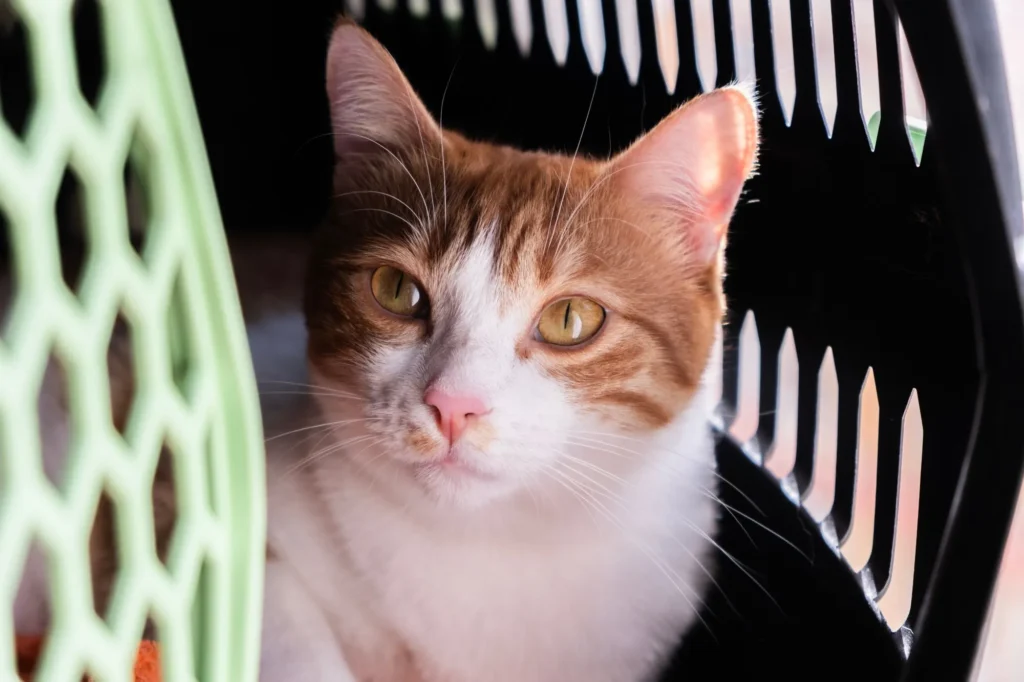
Measured, not guessedSizing follows IATA Live Animals Regulations guidance and your airline’s rules.
Why it matters
The right kennel keeps your pet comfortable and accepted
Your pet must be able to stand without touching the roof, turn around and lie down naturally. A kennel that fails the airline’s check at the terminal can cost you the flight, and a kennel that is far too large lets a pet slide around in transit.
Construction matters as much as size. Airlines look at the material, ventilation, door fastenings, how the halves are joined and whether the water bowl can be filled from outside.
- First-time flyers who are unsure which size or model to buy
- Large and giant breeds that may need a wooden or custom-built kennel
- Snub-nosed breeds that need extra space and careful airline selection
- Owners with an existing crate who want it checked before travel
Sizing guide
How to measure your pet for a travel kennel
Measure your pet standing naturally, ideally with a helper. These are the four measurements used in the IATA container formula.
- ALength from the tip of the nose to the base of the tail
- BHeight from the ground to the elbow joint
- CWidth across the shoulders or widest point
- DStanding height to the top of the head or ear tip, whichever is higher
- Inside lengthA + ½ BRoom to lie down and stretch
- Inside widthC × 2Room to turn around
- Inside heightD + beddingRoom to stand upright
For snub-nosed breeds, IATA guidance adds 10% to the kennel size. Airlines can apply stricter rules, so we confirm the final size with your carrier before you buy. Source: IATA pet container requirements.
What’s included
Kennel support from measuring to the flight
Take the kennel service on its own or as part of a complete relocation.
Measurement check
We guide you through measuring your pet, or review the measurements you send, and calculate the internal size needed.
Kennel selection and supply
A correctly sized, airline-compliant kennel suited to your pet’s size and your airline’s requirements.
Airline-specific fittings
Metal door pins and hinges, bolted halves, fixed water and food containers, and any extra fastenings your airline asks for.
Labels and documents
Live Animal and This Way Up labels, plus the pet and owner details the airline requires on the kennel.
Acclimatisation plan
A simple week-by-week routine so the kennel becomes a familiar, calm place before travel day.
Pre-flight inspection
A final check of bolts, door, ventilation and absorbent bedding before your pet is handed over.
Construction checklist
What makes a kennel airline-compliant
Based on IATA container requirements for dogs and cats. Your airline may add its own conditions.
- Rigid material such as hard plastic, fibreglass, metal or wood. Kennels made entirely of wire mesh are not accepted.
- Ventilation on all four sides, with one end made of securely fixed welded mesh.
- A secure door with metal hinges and locking pins that engage firmly.
- Top and bottom bolted together, not held by plastic clips alone.
- A solid, leak-proof floor with absorbent bedding.
- Wheels removed or made inoperable.
- A fixed water container that can be refilled from outside without opening the door.
- Live Animal and This Way Up labels on the outside.
Kennel training
Helping your pet feel at home in the kennel
Pets that know their kennel usually travel more calmly. Start as soon as the kennel arrives; most pets need a few weeks.
4 to 6 weeks before
Leave it open at home
Put the kennel where your pet spends time, door open, with familiar bedding and a few treats inside.
3 to 4 weeks before
Make it part of the routine
Serve meals inside the kennel and let your pet rest there by choice.
2 weeks before
Close the door for short spells
Begin with a few minutes while you stay nearby, then build up gradually.
The final week
Practise short journeys
Take short car rides with your pet in the kennel so movement feels normal.
Departure
Travel day
Use bedding that smells of home. Agree feeding and water timing with your veterinarian and the airline’s instructions.
Free, no-obligation quote
Get the right kennel for your pet’s flight
Send us your pet’s breed and approximate measurements with your route, and we will recommend the kennel size and type your airline will accept.
- Sizing checked against your airline’s rules
- Advice on your existing crate if you have one
- Available alone or with a full relocation
Prefer to talk? Call +91 95388 81032 or message us on WhatsApp.
Ask about a travel kennel
Enquiry for: Pet Travel Kennel
Fields marked * are required. We use your details only to respond to this enquiry. See our privacy policy.
TRAVEL KENNEL CHECKLIST
A final kennel readiness check
01
Space and fit
Your pet should stand, turn and lie down in a natural position.
02
Safe fittings
Check door hardware, ventilation, water bowls and airline labels.
03
Familiar routine
Use familiar bedding and discuss feeding with your veterinarian.
FAQs
Frequently asked questions
Can’t find your answer? Ask us on WhatsApp or through the enquiry form, and your consultant will reply.
Can I use the crate I already have?
Often, yes, if it is the right size and meets the airline’s construction requirements. Send us the make, model and internal dimensions with your pet’s measurements and we will tell you whether it is suitable or what needs to change.
Are wire crates allowed for air travel?
Not on their own. IATA requirements do not accept containers made entirely of wire mesh. Kennels for air travel are usually rigid plastic, fibreglass, metal or wood, with welded mesh used for ventilation and the door end.
Can my pet travel in a soft carrier?
Soft carriers are generally used only for small pets travelling in the cabin, where the airline allows this on your route. Pets travelling in the hold need a rigid kennel.
Can two pets share one kennel?
Some airlines allow two small, compatible pets of similar size from the same household to share a larger kennel, while others do not. We check your airline’s policy and size the kennel accordingly.
How early should I get the kennel?
Ideally four to six weeks before travel, so there is time for kennel training. Large breeds that need a wooden or custom kennel may need more lead time.
What size kennel does a snub-nosed breed need?
IATA guidance adds 10% to the calculated size for snub-nosed breeds such as pugs, bulldogs and Persian cats. Some airlines also restrict these breeds, so we check acceptance before you buy.
Not sure which kennel size to buy?
Send us your pet’s measurements and route. We will confirm the size and type your airline accepts before you spend anything.